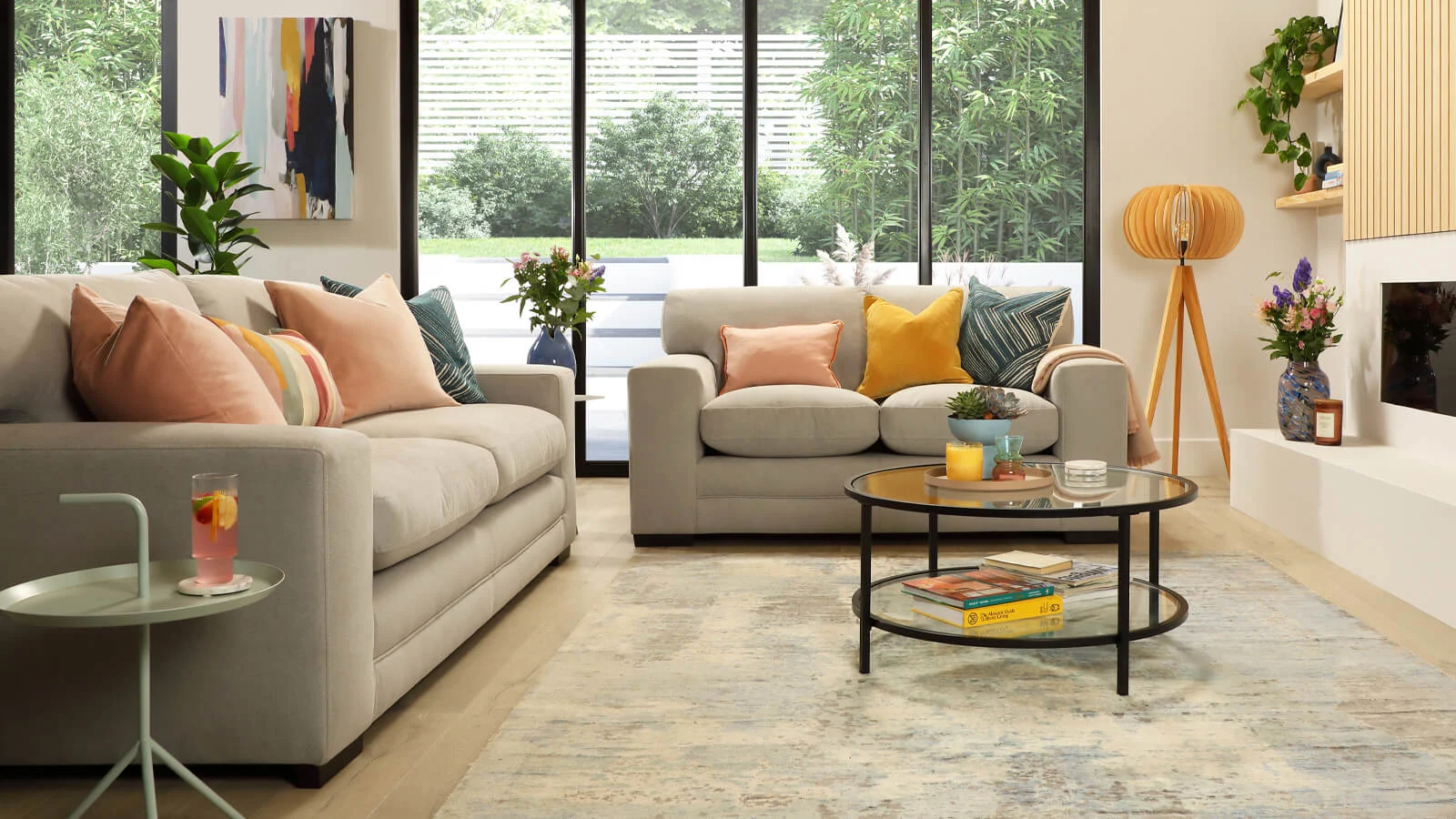
Modern Designs Perfect for Small Homes

Designing a small home can often feel like a balancing act: you want to make the most of the space you have while still creating a stylish and comfortable atmosphere. Fortunately, modern design offers many solutions to make small spaces feel larger, more functional, and visually appealing. Whether you’re working with a tiny apartment or a compact house, the right design choices can make all the difference. Here are some modern design strategies that can maximize your small living space and give it a sleek, contemporary feel.

FLASH SALE 🎉

Go to next post
10s

1. Open Floor Plans to Maximize Space

One of the hallmarks of modern design, particularly in smaller homes, is the open floor plan. Combining the living room, dining room, and kitchen into a seamless space eliminates the barriers that can make a room feel cramped. Open spaces allow for better flow and visibility, making the home feel more expansive. Without walls to break up the rooms, the area feels larger and more airy. Furniture placement becomes important in this layout, but the freedom to move between spaces without obstruction creates a sense of openness that is crucial in smaller homes. Even in a tiny apartment, an open layout can make a huge difference in how the space feels.

2. Minimalist Furniture and Decor

When working with limited space, it's crucial to keep things simple. Modern designs favor clean lines, minimalist furniture, and neutral tones. Furniture that serves multiple purposes is a lifesaver in small spaces. Think of a sofa that can transform into a bed, or an ottoman that doubles as storage. Opting for pieces that don’t overwhelm the room allows the design to feel calm and organized. For example, a low-profile sectional or sleek dining table without bulky legs can give the room a sense of airiness. In terms of decor, less is more. Instead of crowding the space with unnecessary items, choose a few standout pieces of art or carefully selected accessories to make a statement without creating clutter.

3. Smart Storage Solutions

Maximizing storage is key in small homes, and modern design offers a range of smart solutions to keep everything organized and out of sight. One popular approach is to make use of vertical space. Tall bookshelves, wall-mounted cabinets, or floating shelves can free up precious floor space while keeping your belongings within easy reach. Under-bed storage is another great option, especially in bedrooms. Storage ottomans, multi-functional furniture, and hidden compartments are also practical and stylish. A minimalist design can only be successful if everything has its place, so implementing creative storage ideas will keep the space from feeling overcrowded or chaotic.

4. Light and Neutral Colors

Light colors are a staple in modern design, particularly for smaller homes. Shades of white, light gray, beige, and soft pastels can open up a space, making it feel larger and brighter. Lighter hues reflect natural light, which is important in smaller rooms that may not have much natural light coming in. Walls, ceilings, and floors painted in neutral tones provide a perfect backdrop for furniture and decor. Adding a touch of color through accent pillows, rugs, or art pieces can break up the monotony without overwhelming the space. Additionally, light wood floors or pale-colored tiles further contribute to an open, airy feeling.

5. Use of Mirrors to Enhance Light

Mirrors are one of the best tricks to make a small space feel larger. They reflect light, creating the illusion of more space and depth. In modern design, mirrors are often used not just functionally but also as decor. A large mirror can reflect both natural and artificial light, brightening the room and making it feel more expansive. Consider placing mirrors opposite windows to bounce the light around the room or using mirrored furniture or decor pieces. Additionally, mirrored furniture—such as a coffee table or side tables—can add a touch of glamour while maintaining an open, airy feel.

6. Multi-Functional Spaces

In small homes, every inch of space counts, and multi-functional spaces can be a game-changer. Modern homes often incorporate versatile areas that can serve more than one purpose. For example, a guest room can double as a home office, with a fold-out desk and wall-mounted shelves. Similarly, an entryway can include a compact workstation or a small reading nook. The key is to be creative with your furniture choices, opting for designs that serve multiple functions. Sliding doors, foldable furniture, and convertible layouts allow rooms to adapt to various needs throughout the day, making the most of the limited space you have.

7. Natural Elements for Warmth and Texture

Incorporating natural elements into a modern home design can create a sense of warmth and texture without overpowering the space. Wood, stone, and plants bring organic beauty and depth to a small home. Wood accents, such as a wooden coffee table, wooden beams, or hardwood flooring, help ground the design and add richness. Stone, like a stone feature wall or marble countertops, provides a luxurious touch that feels timeless. Plants, both large and small, can add life to the room, with potted plants, hanging planters, or succulents fitting seamlessly into modern designs. These natural touches make a space feel cozy and welcoming while maintaining a sleek, contemporary vibe.

8. Incorporating Technology for Convenience

Modern designs seamlessly integrate technology to make life easier and more efficient, especially in small homes where space and convenience are priorities. Smart home devices, like thermostats, lighting, and security systems, can be controlled remotely, eliminating the need for bulky switches and creating a streamlined look. Multi-functional appliances, like washer-dryer combos or wall-mounted TVs that also serve as storage units, maximize space while providing the convenience of modern living. Hidden technology, like retractable televisions or built-in sound systems, also contributes to a sleek, minimalist aesthetic while keeping the home feeling spacious and uncluttered.

9. Statement Lighting Fixtures

In a small space, the right lighting can completely transform the feel of the room. Modern lighting fixtures not only illuminate but can also act as art pieces in their own right. Pendant lights, statement chandeliers, or sleek, minimalist floor lamps add personality without overwhelming the space. For small living rooms or dining areas, hanging a statement pendant light can draw the eye upward, making the room feel taller. Layered lighting, including ambient, task, and accent lights, can be used strategically to enhance different parts of the room and create a sense of depth and dimension.

10. Open Shelving for Display and Storage

Open shelving is a modern design trend that works well in smaller homes because it provides both storage and display opportunities without feeling too heavy. Open shelves, whether in the kitchen, living room, or bathroom, allow you to keep essentials within easy reach while also showcasing decorative items like plants, books, or artwork. When done well, open shelving keeps the space feeling open and organized, but it’s important to keep it tidy. Too many items on display can make the space feel cluttered, so it’s best to be selective about what you display.

Conclusion

Modern design principles are ideal for small homes because they focus on functionality, simplicity, and maximizing every inch of space. By incorporating open layouts, minimalist furniture, smart storage solutions, and natural elements, you can create a home that feels larger and more comfortable. The use of light colors, mirrors, multi-functional furniture, and cutting-edge technology helps to keep the space organized and efficient. No matter how small your home may be, these modern design ideas can make it feel spacious, stylish, and full of life.

Post Banner

FLASH SALE 🎉

Next Post

Leave a Comment