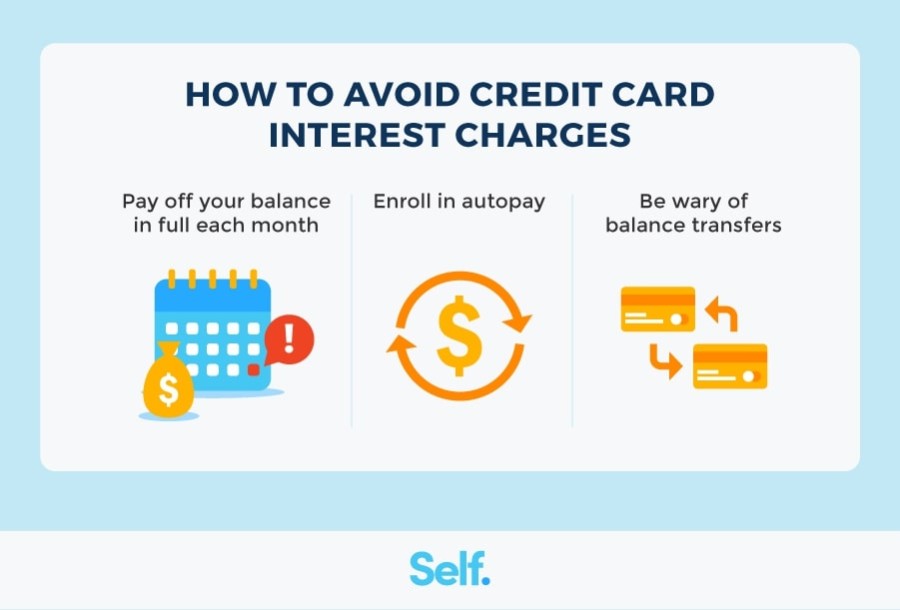
Credit cards are convenient financial tools, but they can lead to costly interest payments if not used wisely. Understanding how interest accrues and learning strategies to avoid paying it can help you manage your finances better. Here’s a step-by-step guide to help you avoid interest charges on your credit card.
1. Pay Your Balance in Full Every Month
The easiest way to avoid paying interest on your credit card is by paying your balance in full before the due date. Credit card companies offer a grace period, usually around 21-25 days, where no interest is charged if the balance is cleared in full. By paying your balance in full each month, you ensure that your purchases remain interest-free.
If you only pay the minimum payment or a partial amount, the remaining balance will accrue interest, often at high rates. Regularly paying off your balance will help you keep your debt under control and save money in interest payments.
2. Understand the Grace Period
The grace period is the time frame during which you can pay off your balance without incurring interest charges. It typically starts on the day your billing cycle ends and lasts until the payment due date. If you have an outstanding balance carried over from a previous month, this period no longer applies, and interest starts accumulating from the day the charge was made.
Being aware of your card’s grace period and planning your payments accordingly can be a simple but effective way to avoid interest. Make sure to check your credit card’s terms and conditions to understand how your specific card handles grace periods.
3. Make Payments Before the Due Date
Credit card companies charge interest based on the balance that remains at the end of the billing cycle. To avoid interest charges, make your payment before the due date. You can even consider making payments multiple times throughout the month to keep your balance low and under control.
Paying early can also help you avoid late fees and potential damage to your credit score. With mobile banking and automatic payments, staying on top of your due dates has never been easier.
4. Use Balance Alerts and Payment Reminders
Another way to avoid missing payments is by setting up balance alerts and payment reminders through your credit card provider. Many credit card companies offer notifications via email or text message that remind you when your payment is due or when your balance reaches a certain threshold.
These reminders can help you stay proactive and ensure that you make the necessary payments on time. Some credit card issuers even allow you to set up automatic payments, so you don’t have to worry about forgetting a due date.
5. Avoid Carrying a Balance
Carrying a balance on your credit card from month to month can be tempting, but it results in interest charges that add up quickly. Even if you only carry a small balance, the interest can snowball over time. The best practice is to pay off your entire balance each month and avoid relying on credit for purchases that you can’t afford to pay for in full.
If you do need to carry a balance, try to keep it as low as possible and pay it off as quickly as you can. The less you owe, the less interest you’ll pay in the long run.
6. Take Advantage of 0% Introductory APR Offers
Many credit cards offer 0% APR on new purchases or balance transfers for an introductory period, typically ranging from 6 to 18 months. If you plan to make a large purchase or need to transfer a balance, this can be a great opportunity to avoid interest.
However, it’s important to pay off the balance before the introductory period ends, as the interest rate can skyrocket once the promotional period is over. Keep track of the expiration date and budget to ensure you can pay off the balance in time.
7. Avoid Unnecessary Fees
Aside from interest, credit cards often come with other fees that can add up, such as late payment fees or foreign transaction fees. While these fees don’t directly relate to interest, they can make your overall balance more expensive to carry. Ensure you’re aware of all the fees associated with your card and try to avoid them.
By making timely payments and avoiding unnecessary charges, you’ll not only save on interest but also on fees. This can significantly improve your financial health in the long run.
8. Utilize Low-Interest or No-Interest Credit Cards
If you tend to carry a balance or expect to carry a balance for a while, consider using a low-interest credit card or one that offers no interest for certain periods. These cards usually have a lower APR, which means less interest will accumulate if you carry a balance.
While these cards may come with annual fees, the lower interest rate may outweigh the cost. Always compare options to find the best deal for your needs.
9. Avoid Cash Advances
Cash advances are another way credit card issuers make money by charging exorbitant interest rates. When you withdraw cash using your credit card, you typically begin accruing interest immediately, with no grace period. Additionally, there may be transaction fees attached to cash advances.
To avoid unnecessary interest charges, it’s best to avoid using your credit card for cash advances. If you need cash, consider using other options like personal loans or debit cards, which usually offer lower fees and interest rates.
10. Review Your Credit Card Statements Regularly
Reviewing your credit card statements regularly helps you stay on top of your spending and avoid surprises when it comes time to pay. By checking your statements, you can spot any errors or unauthorized charges that may impact your balance. You can also keep track of your spending and adjust your payments accordingly.
Additionally, reviewing your statement can help you avoid late payments, which can trigger interest charges and late fees. Keeping track of due dates and balances is essential for maintaining a debt-free status.
Conclusion
Avoiding interest on your credit card is possible with the right strategies and a little discipline. Paying off your balance in full each month, understanding your grace period, and staying on top of payments will keep interest at bay. By also being mindful of fees and using low-interest cards when necessary, you can use your credit card wisely without paying unnecessary interest.
