Gacha Living Room Background: Ideas, Tips & Inspiration
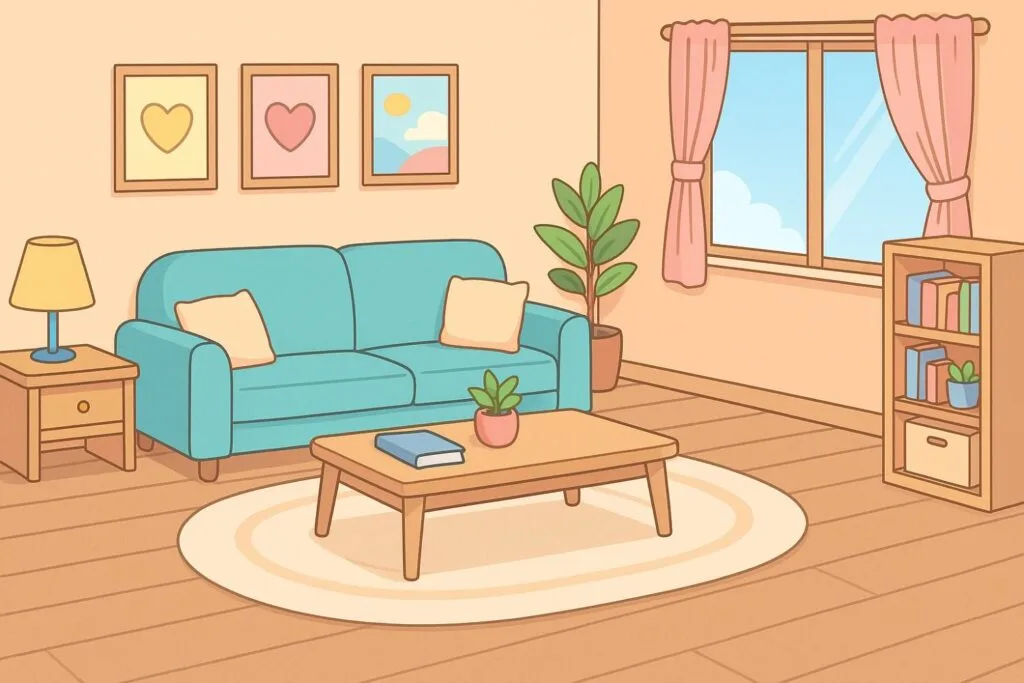
Ever set up a short scene in Gacha and felt like something was missing? I’ve been there — characters positioned perfectly, dialogue ready, but the whole moment still felt…flat. A well-designed Gacha Living Room Background fixes that instantly. It gives characters a believable space to interact, frames emotional beats, and makes even small moments feel intentional. In this guide I’ll share the elements that make a living-room backdrop work, styles to try, where to find or make backgrounds, and practical tips I’ve picked up from building dozens of scenes.

FLASH SALE 🎉

Go to next post
10s

What Is a Gacha Living Room Background?

Comparison of simple and detailed gacha living room background designs in anime style

A Gacha Living Room Background is a digital illustration or image that serves as the interior setting for your Gacha Life / Gacha Club scenes. Think of it as the stage set in a play — couches, tables, lamps, and decor direct focus and shape the mood. Good backgrounds balance detail (so the room feels lived-in) with clarity (so characters remain the focal point).

Common items included:

  • Sofas, chairs, or beanbags for seating and poses
  • Coffee tables, rugs, or low tables to anchor action
  • Windows or lamps to suggest time of day and lighting
  • Shelves, TVs, consoles, and plants for realism and personality

Why Living Rooms Work So Well in Gacha

Infographic labeling sofa, rug, plants, lamps, and other key elements of a gacha living room background

Living rooms are one of the most versatile backdrops in storytelling. They’re instantly relatable and suit a wide range of scenes:

  • Family moments: group scenes, sibling banter, parent-child talks
  • Romantic beats: late-night confessions on the sofa
  • Comedy sketches: friends gaming, pranking, or goofing off
  • Slice-of-life: studying, planning, or casual hangouts
  • Celebrations: birthdays, game nights, and holiday setups

Because the living room feels familiar, viewers immediately connect with the scene’s intent — and your characters feel at home.

Read More: 10 Modern Living Room Accent Wall Ideas for Small Spaces

Elements That Make a Strong Living Room Background

Collage showing minimalist, cozy, kawaii, luxury, and traditional gacha living room background styles

A polished background usually includes a few key features that support interaction:

  • Seating: Clear places for characters to sit or lean.
  • Centerpiece: A coffee table or rug that anchors the composition.
  • Entertainment/props: TV, bookshelf, game console, or board games.
  • Lighting sources: Lamps, windows, and ceiling fixtures for mood.
  • Decor: Plants, cushions, wall art, and small props to add personality.

Pro tip: Keep the main action area uncluttered. Too many foreground objects can obscure poses or expression reads.

Backgrounds Styles of Gacha Living Room

Before and after example showing shading and lighting in a gacha living room background

Your story’s tone will guide the style you pick. Here are easy-to-use options:

  • Minimalist Living Room — Clean lines, neutral palette; characters pop.
  • Cozy & Warm Living Room — Soft rugs, warm lights, plush pillows; perfect for intimate scenes.
  • Kawaii / Cute Living Room — Pastels, plushies, and quirky decorations for youthful energy.
  • Elegant / Luxury Living Room — Chandeliers, marble elements, and dramatic furniture for wealthy or dramatic characters.
  • Traditional / Anime-Inspired Living Room — Low tables, sliding doors, tatami-like textures to evoke cultural or period flavor.

Try matching the room style to the characters’ personalities: a neat, minimalist room suits an organized character; messy cozy fits a carefree one.

Where to Find Inspiration

Sources that spark ideas:

  • Your own living space — observe furniture arrangement and natural light
  • Anime and visual novels — note how backgrounds support dialogue beats
  • Pinterest & mood boards — quick for palettes and layout references
  • Game backgrounds — visual novels and RPGs often have ready-made compositional ideas

Collect references before designing — it speeds up layout decisions and helps maintain style consistency.

Tips for Designing Your Own Gacha Living Room Background

Designing doesn’t have to be hard. Follow these practical steps:

  1. Plan the action area: Leave a clear zone where characters will stand or sit.
  2. Choose readable colors: Ensure characters contrast with the background — avoid matching hair/clothes to wall tones.
  3. Add depth: Use perspective lines, mid-ground props, and soft shadows for three-dimensional feel.
  4. Create variations: Save day and night versions, or alternate decorations for seasonal scenes.
  5. Keep scale consistent: Match furniture size to character proportions so poses look natural.
  6. Export layered files: Save editable layers (PSD/Procreate) so you can swap props without redrawing.

Personal tip: When I need quick mood changes, I duplicate the file and adjust only the lighting layer — small shifts in warmth or contrast can change a scene’s tone dramatically.

How to Get a Living Room Background (fast and flexible)

Options depending on skill and budget:

  • Built-in Gacha options: Fast and easy for quick edits.
  • Free download packs: Many creators share background packs — check usage rights.
  • DIY apps: IbisPaint, Procreate, or Canva are great for custom backgrounds.
  • Commission an artist: Best if you want a unique, high-quality scene tailored to your story.

If commissioning, provide reference images, preferred color palette, and exact character placements to speed up revisions.

Common Mistakes to Avoid

Infographic showing common mistakes in gacha living room background design with do’s and don’ts

Avoid these pitfalls for cleaner scenes:

  • Too much detail: Characters can get lost in a busy background.
  • Clashing colors: Make sure characters don’t blend into the backdrop.
  • Incorrect proportions: Oversized or tiny furniture breaks immersion.
  • Low-resolution images: Stretching a small background makes the scene blurry.

Always preview your scene with the actual characters and poses before finalizing.

Technical Tips for Better Quality

Examples of family, romantic, and comedy scenes using a gacha living room background

When exporting or uploading your gacha living room background, follow this checklist:

  • Resolution: Aim for at least 1920×1080 for crisp scenes.
  • Aspect ratio: Match the platform you publish on (YouTube, TikTok, Instagram).
  • File format: PNG for images needing transparency; JPEG for simple backgrounds.
  • Layers: Keep an editable layered version so props and lighting are adjustable later.

Styling Inspiration & Scene Ideas

  • Single statement scene: A large sofa with subtle wall art for serious dialogue.
  • Triptych-style shots: Use three related backgrounds to show scene progression.
  • Gallery wall montage: Mix frames and posters to hint at character backstory.
  • Seasonal swaps: Add holiday decor or seasonal lighting to refresh recurring locations.

Practical example: For a confession scene, use a cozy living room with warm lamp light and a slightly dimmed window to create intimacy.

FAQs About Gacha Backgrounds of Living Room

Where can I download free gacha living room backgrounds?
Fan communities, art-sharing sites, and Pinterest often host packs. Always check the creator’s permission and credit rules.

Can I make my own background?
Yes — apps like IbisPaint, Procreate, and Canva make it approachable even for beginners.

Which style works best?
It depends on your story. Cozy fits slice-of-life, kawaii suits lighthearted content, and elegant works for drama.

Can I animate a background?
Yes. Some tools let you add subtle motion (glowing lights, moving curtains) for extra polish.

Can I use real photos?
You can, but anime-style backgrounds usually blend better with Gacha characters. If using photos, apply a filter or posterize effect to approximate the art style.

Conclusion

A thoughtful Gacha Living Room Background does more than fill empty space — it anchors emotions, frames actions, and gives your characters a believable world to move in. My recommendation: choose a style that matches your story tone, keep the action area clear, and save layered versions for future edits. With a few small design choices — correct scale, readable colors, and the right lighting — your living-room backdrop will turn short skits into scenes that feel lived-in and memorable. Try swapping lighting or props between takes; simple changes often produce the biggest storytelling payoff.

Post Banner

FLASH SALE 🎉

Next Post

Leave a Comment